FATCA and CRS Implementation in the Gulf: A Compliance Guide

Financial institutions in the Gulf Cooperation Council operate within a dual-reporting environment that combines the United States' extraterritorial Foreign.


Financial institutions in the Gulf Cooperation Council operate within a dual-reporting environment that combines the United States' extraterritorial Foreign.

Turkey's relationship with the Financial Action Task Force has been a significant factor in the evolution of AML compliance expectations across the Middle East.

India and the Gulf Cooperation Council states share one of the world's most significant bilateral financial corridors.

Alternative remittance systems have operated in parts of the Middle East and South Asia for centuries.
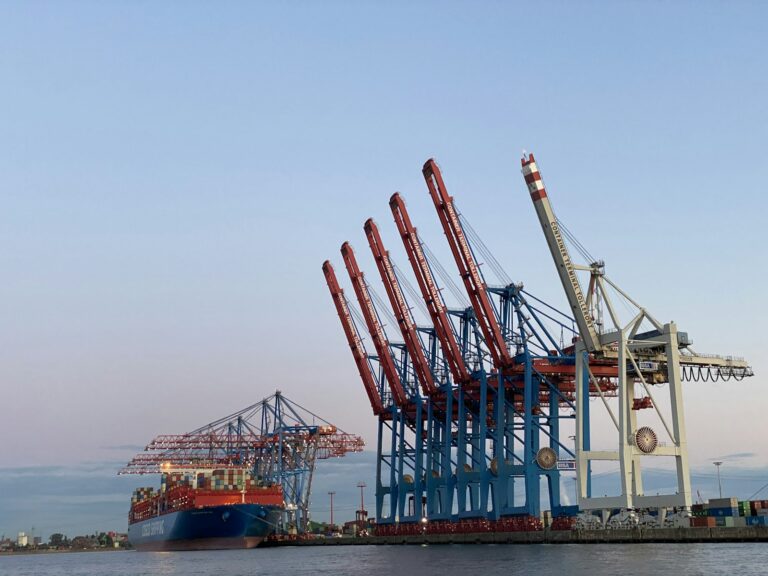
The Gulf Cooperation Council states occupy a distinctive position in global trade.

The Gulf Cooperation Council states are home to significant concentrations of politically exposed persons.

The Dubai International Financial Centre operates as a financial free zone with its own independent regulator, the Dubai Financial Services Authority.

The Saudi Arabian Monetary Authority has significantly increased its focus on anti-money laundering and combating the financing of terrorism over the past.

The Gulf Cooperation Council comprises six states: the United Arab Emirates, Saudi Arabia, Bahrain, Kuwait, Qatar, and Oman.

The United Arab Emirates has one of the highest per-capita remittance outflows in the world.