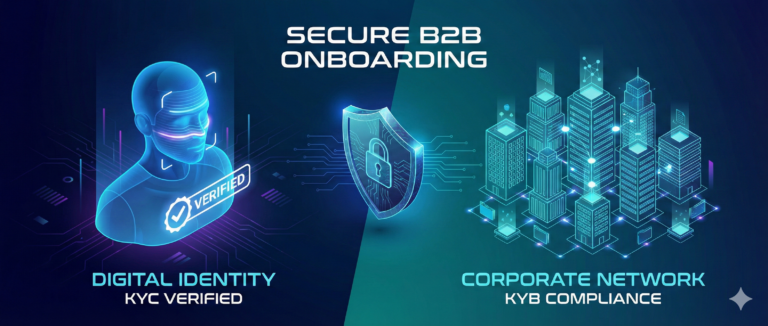

Politically Exposed Persons (PEPs) play an important role in global finance, governance, and public administration. Because of their influence and access to public funds, they may pose a higher risk for involvement in bribery, corruption, or financial crime. This is where PEP screening comes in.
In today’s regulatory landscape—shaped by strict anti-money laundering (AML) and counter-terrorist financing (CTF) requirements—PEP screening has become essential for financial institutions, fintechs, and other regulated industries. This article breaks down what PEP screening is, why it matters, and how organizations can approach it effectively.
What Is a PEP?
A Politically Exposed Person (PEP) is an individual who holds—or has held—a prominent public position. Examples include:
- Heads of state or ministers
- Senior government officials
- Judges and high-ranking military officers
- Executives of state-owned enterprises
- Political party leaders
The family members and close associates of PEPs may also be classified in the same risk category, as they can be used as intermediaries for illicit activity.
What Is PEP Screening?
PEP screening is the process of identifying whether a customer, business partner, vendor, or transaction participant is a Politically Exposed Person. Screening usually happens during onboarding and is monitored continuously over time.
The screening process typically includes:
1. Checking PEP Databases
Organizations compare customer information against global PEP lists from regulatory bodies, international organizations, and commercial data providers.
2. Assessing Risk Levels
Not all PEPs pose the same risk. Screening helps classify individuals into categories (e.g., high, medium, low risk) depending on their role and jurisdiction.
3. Applying Enhanced Due Diligence (EDD)
If a match is found, compliance teams take additional steps, such as verifying the source of funds, reviewing transaction patterns, or conducting deeper background checks.
Why Is PEP Screening Important?
Regulatory Compliance
AML/CTF regulations in many countries require financial institutions to identify and monitor PEPs to prevent money laundering and corruption.
Fraud and Risk Reduction
Screening helps organizations detect early warning signs—before entering into high-risk relationships.
Reputation Protection
Associating with individuals involved in wrongdoing can lead to severe brand and financial damage. PEP screening helps mitigate this exposure.
How Organizations Implement PEP Screening
Modern organizations rely on automated screening systems powered by AI, machine learning, and real-time data feeds. This ensures:
- Faster onboarding
- Fewer false positives
- Continuous monitoring for status changes
- Scalable compliance operations
As regulatory expectations continue to evolve, automated PEP screening has become an essential component of digital identity verification and risk management.
PEP screening is not just a compliance requirement—it’s a vital safeguard for organizations operating in a world where financial crime risks are constantly increasing. By understanding who PEPs are and implementing robust screening processes, companies can maintain trust, meet regulatory expectations, and protect themselves from reputational harm.